Reiki for Grief and Loss
August 2026 · Healing Ki Wellness · Master Amrita · 7 min read
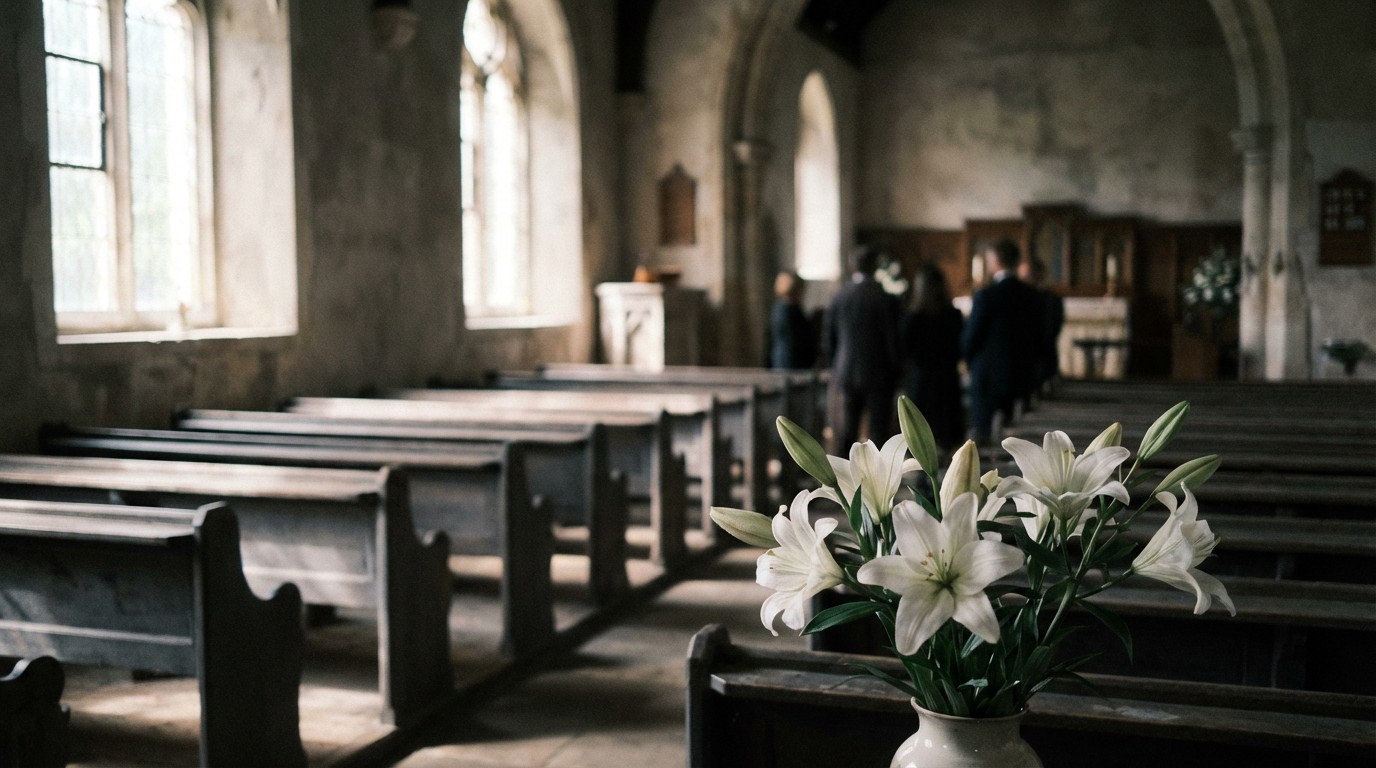
Grief doesn't move in a straight line, and it doesn't stay confined to the mind. It settles into the chest, the shoulders, the sleep you can't quite get back. If you've been managing loss through sheer willpower — showing up, functioning, holding it together — Reiki offers something different: a space where you don't have to hold anything at all.
Why Grief Gets Stuck in the Body
Grief is often treated as a purely emotional or cognitive process, something to think or talk your way through. But loss is processed by the nervous system as much as the mind. Prolonged grief keeps the body in a state of heightened alert or protective shutdown — tight shoulders, shallow breathing, disrupted sleep, a persistent heaviness in the chest. Many people describe feeling either wired and unable to rest, or flat and disconnected, sometimes cycling between the two in the same day.
This is one reason grief can feel so exhausting even when "nothing is happening." The body is doing enormous work, quietly, all the time.
How Reiki Supports the Grieving Process
Reiki doesn't ask you to explain your loss or organize your feelings into words. It simply offers the body a chance to downshift out of that heightened or shutdown state, often for the first time in weeks or months. Clients frequently describe a session as the first time they've truly exhaled since the loss occurred — not because grief has resolved, but because the body finally had permission to rest.
For some, this looks like physical release: tears, trembling, a wave of exhaustion followed by real sleep. For others, it's quieter — a sense of being accompanied rather than alone with it. Both are common, and neither is more "correct" than the other.
What a Grief-Focused Session Looks Like
The structure is similar to any first Reiki session: you stay fully clothed, resting on a comfortable table, while hands are placed gently on or above different areas of your energy field. The difference is in the opening conversation — there's space to name who or what you've lost, if you want to, or to simply say "I don't have words for this yet," which is also enough.
"I hadn't cried since the funeral — I think I was too busy holding everyone else together. About twenty minutes into my session, it just came, and it didn't feel like falling apart. It felt like finally putting something down." — Client, Danville, CA
When to Seek Additional Support
Reiki is a gentle complement to the grieving process, not a substitute for grief counseling, therapy, or a support group — particularly with complicated grief, sudden loss, or grief that includes symptoms of depression or trauma. Many clients use Reiki alongside talk therapy: the sessions address the body's stress response, while therapy addresses the narrative and emotional processing. If you're navigating anxiety alongside grief, our piece on Reiki for anxiety and stress may also be helpful, and our guide to heart chakra healing speaks directly to the grief-and-loss connection many people feel in the chest.
There Is No Timeline
Some people come in the week after a loss, needing somewhere to simply be held. Others come a year later, when grief they thought was finished quietly resurfaces. Both are exactly the right time. If you're new to Reiki altogether, our beginner's guide is a gentle place to start.
Frequently Asked Questions
Can Reiki help with grief? Many people find Reiki supportive during grief because it addresses the physical and nervous-system impact of loss — tension, exhaustion, disrupted sleep — rather than asking you to talk or process verbally. It offers a quiet, non-demanding space to simply be held while grieving.
How does grief get stored in the body? Grief often shows up physically as chest tightness, a heavy feeling in the shoulders, fatigue, digestive changes, or a general sense of numbness. This happens because grief is processed by the nervous system, not just the mind, and prolonged emotional stress keeps the body in a heightened or shut-down state.
What does a Reiki session for grief involve? A grief-focused Reiki session looks much like a standard session — you remain fully clothed and relaxed on a treatment table — but begins with space to name what you're carrying, if you wish to. Many clients cry, feel waves of emotion move through, or simply rest more deeply than they have since the loss occurred.
Is Reiki a replacement for grief counseling or therapy? No. Reiki is a complementary support, not a replacement for grief counseling, therapy, or a support group. It works well alongside professional mental health support, particularly for the physical and energetic toll grief takes on the body.
How soon after a loss can someone start Reiki? There's no fixed timeline. Some people seek Reiki within days of a loss for grounding and support; others come months or years later when delayed or unresolved grief resurfaces. Reiki meets you wherever you are in the process.