What Are Chakras? A Beginner's Guide to Your Energy Centers
May 2026 · Healing Ki Wellness · Master Amrita · 8 min read
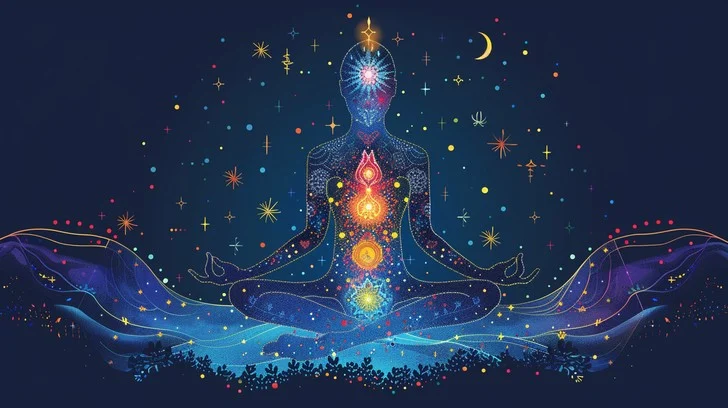
You've probably heard the word "chakra" more than once — in a yoga class, in a wellness article, maybe from a friend who mentioned their heart chakra feeling closed. It can all sound a little abstract. This guide is for anyone who wants a grounded, practical understanding of what chakras actually are and why they matter for how you feel.
The Origin of the Chakra System
The word "chakra" comes from Sanskrit, meaning "wheel" or "disk." The chakra system originated in the ancient Vedic traditions of India — texts that are thousands of years old — and describes the body not just as flesh and bone, but as a living field of energy with distinct centers of activity. In energy medicine, these centers are understood as real vortices of life force energy (called prana in yoga tradition, ki in Japanese healing practices) that correspond to specific nerve plexuses, endocrine glands, and organ systems in the physical body. When a chakra is functioning well, energy flows freely. When it isn't, you feel it — often in very concrete ways.
The Seven Main Chakras
Root Chakra (Muladhara) — Base of the spine. Governs safety, belonging, finances, and physical survival. When balanced you feel grounded and secure; when blocked, anxiety, financial fear, and lower back or hip tension are common. Read more about root chakra healing.
Sacral Chakra (Svadhisthana) — Just below the navel. Governs creativity, pleasure, sensuality, and emotional flow. Imbalances often show up as creative blocks, emotional numbness, or difficulty experiencing joy.
Solar Plexus Chakra (Manipura) — Upper abdomen. The seat of personal power, confidence, and identity. When blocked: self-doubt, people-pleasing, digestive issues.
Heart Chakra (Anahata) — Center of the chest. The bridge between lower and upper chakras, governing love, compassion, and connection. Heart chakra blockages are among the most common I see in practice.
Throat Chakra (Vishuddha) — Governs authentic expression, communication, and speaking your truth. Signals: chronic throat tension, difficulty saying no, fear of being heard.
Third Eye Chakra (Ajna) — Between the eyebrows. Connected to intuition, perception, and inner knowing. Imbalance shows up as disconnection from instincts or chronic indecision.
Crown Chakra (Sahasrara) — Top of the head. The center of spiritual connection, consciousness, and meaning. Imbalances can feel like existential disconnection or a pervasive sense that something is missing.
What Does It Mean for a Chakra to Be Blocked?
A "blocked" chakra is often overactive or underactive rather than simply shut down — and both extremes cause problems. An overactive heart chakra might look like emotional enmeshment. An underactive one might show up as chronic loneliness. Blocks develop over time through stress, emotional trauma, or the accumulated weight of life. They're not character flaws; they're patterns. And patterns can shift. Learn more about the signs your chakras may be blocked.
How Reiki Works with the Chakra System
Reiki is one of the most effective tools for chakra balancing. During a session, healing energy is channeled through the practitioner to the client's energy field, working through each chakra center to release what's stagnant and restore natural flow. Most clients notice a tangible difference — in mood, body tension, and emotional clarity — within the first session. Learn how Reiki heals the chakra system.
"I came in thinking chakras were a bit 'out there.' After the session I understood, in my body, what everyone meant. Something had genuinely shifted." — Client, Pleasanton, CA
Frequently Asked Questions
What are the 7 chakras and what do they do? The seven main chakras are the Root (safety and grounding), Sacral (creativity and pleasure), Solar Plexus (personal power), Heart (love and compassion), Throat (authentic expression), Third Eye (intuition), and Crown (spiritual connection). Each governs specific physical, emotional, and energetic functions.
How do you know if your chakras are out of balance? Signs include persistent anxiety (root), emotional numbness (heart), creative blocks (sacral), self-doubt (solar plexus), difficulty speaking your truth (throat), brain fog (third eye), or a sense of meaninglessness (crown). Physical tension in related body areas is also common.
Can Reiki balance chakras? Yes. Reiki is one of the most effective modalities for chakra balancing. A skilled practitioner works through all seven chakras in sequence, identifying and clearing blockages, restoring depleted energy, and calming overactive centers.
How long does chakra healing take? Some clients notice shifts within a single session. Deeper or longstanding patterns typically require 3–6 sessions. The chakra system responds to consistent attention — regular sessions combined with supportive daily practices produce the most lasting results.
Is chakra healing available in San Ramon, CA? Yes. Healing Ki Wellness offers Reiki-based chakra healing in San Ramon, CA serving the Tri-Valley and Bay Area, with virtual sessions available for clients anywhere in the world.