Office Space Energy Alignment: How to Create a Workspace That Supports You
June 2026 · Healing Ki Wellness · Master Amrita · 8 min read
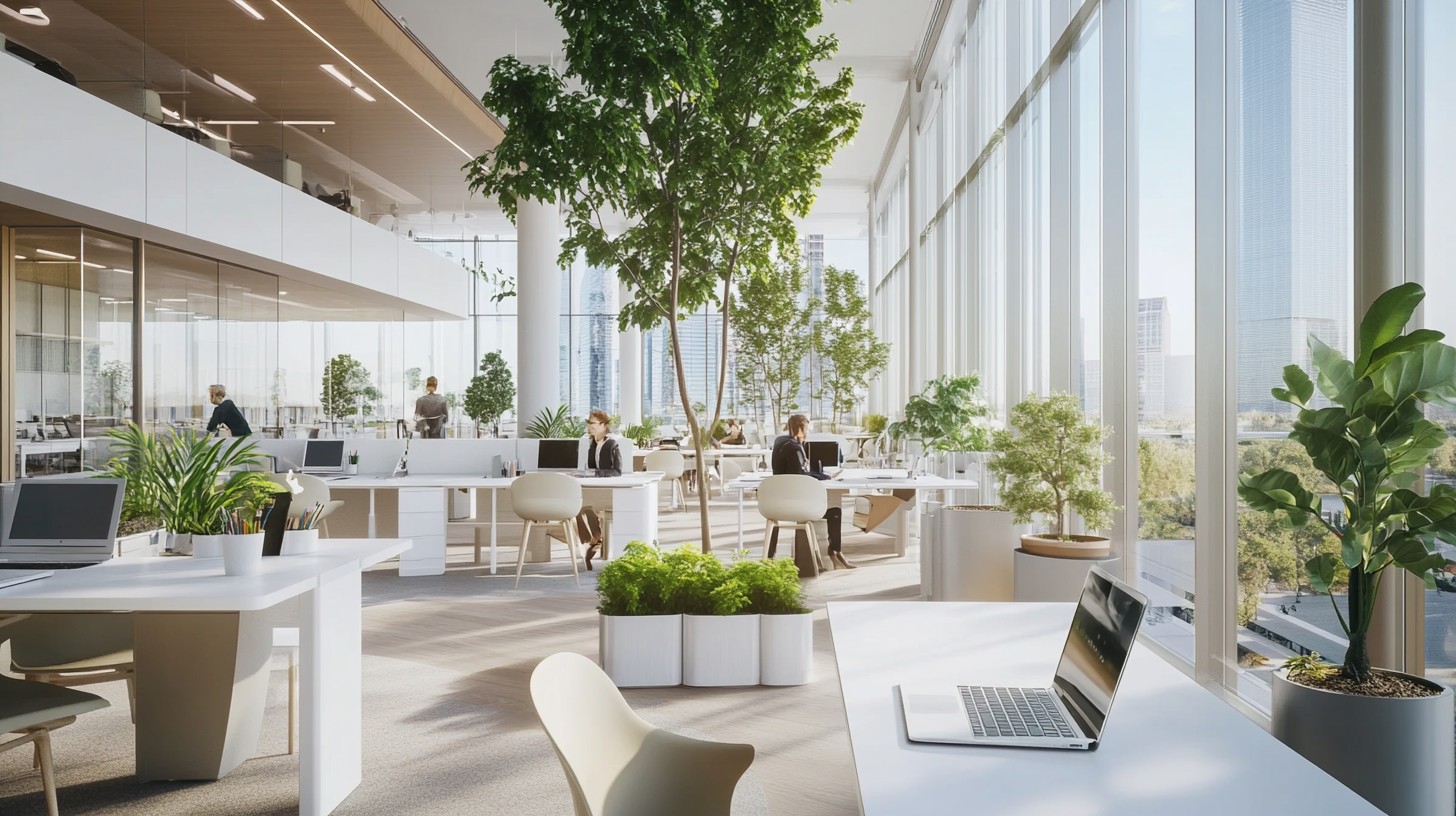
Have you ever walked into your office and immediately felt heavy or scattered before the workday even began? Or maybe you sit down at your desk each morning with every intention of being productive, and yet something feels off. You lose focus easily. Motivation is hard to find. The hours drag even when the to-do list is full.
This is not always about time management or discipline. Sometimes, it is about the energy of the space itself.
What Is Office Space Energy Alignment?
Office space energy alignment draws from several traditions, including Feng Shui, energy healing, and mindful space design. At its core, the practice is based on a simple idea: energy flows through physical spaces, and when that flow is blocked, stagnant, or chaotic, we feel it.
In Feng Shui, this life force energy is called chi (also written as qi or ki). When chi moves freely through a space, it supports vitality, creativity, and a sense of ease. When it becomes stuck or scattered, the effects show up as mental fatigue, tension, difficulty concentrating, and a general sense that something is just not working.
Energy alignment is not about magic or superstition. It is about creating intentional, thoughtful environments that support the way we naturally function. It combines practical organization with purposeful design and, in some cases, energetic clearing to shift the atmosphere of a space.
Why Your Workspace Energy Matters
We spend significant portions of our lives at work. Even working from home does not separate us from the impact our environment has on our nervous system, our mood, and our ability to think clearly.
Research in environmental psychology has long supported what energy practitioners have always known: our surroundings influence our inner state. Natural light improves mood and alertness. Clutter increases cortisol. Noise and visual chaos make focused thinking harder. Color, layout, airflow, and even the arrangement of furniture all send subtle but constant signals to the brain.
When we apply energy alignment principles to a workspace, we are essentially removing the environmental friction that works against us and replacing it with conditions that support us. The result is a space that feels calmer, more focused, and more conducive to doing meaningful work.
Common Signs Your Office Energy Is Out of Balance
Most of us do not think of workspace problems in terms of energy. We tend to chalk things up to stress, a poor night's sleep, or simply having too much on our plates. But if you are experiencing any of the following on a consistent basis, the energy of your office environment may be contributing.
Frequent distractions. You sit down to work and find yourself unable to stay on task, even when the work itself is manageable.
Mental fatigue that arrives early. You feel drained by midmorning even after a full night of sleep.
Lack of motivation. The enthusiasm you once had for your work feels distant or flat.
Ongoing clutter accumulation. Papers, items, and unfinished tasks pile up faster than you can manage them, and clearing them brings only temporary relief.
Workplace tension. If you share a space with others, there is a low-level but persistent friction that makes collaboration feel harder than it should.
Difficulty concentrating. Even in quiet moments, your mind feels restless or foggy.
These experiences are not just personal failings. They are often environmental. And that means they can be addressed.
How Clutter Impacts Workplace Energy
Clutter is one of the most significant energy disruptors in any workspace. This is true both physically and energetically.
From a practical standpoint, clutter creates visual noise. Every item in your line of sight competes for a small amount of your attention, even when you are not consciously looking at it. Over time, this constant low-level processing contributes to mental fatigue and a feeling of being overwhelmed.
From an energetic standpoint, clutter is stagnant. It represents unfinished business, unmade decisions, and energy that has nowhere to go. When chi cannot move freely through a space because it is blocked by piles of paper, overflowing shelves, or unused equipment crowding the corners, the people in that space often feel stuck too.
Clearing clutter is one of the most immediate and powerful ways to shift the energy of an office. It does not require any special tools or expertise. It simply requires a willingness to let go of what is no longer useful or meaningful.
The Role of Feng Shui in Office Energy Alignment
Feng Shui is an ancient Chinese system of design and placement that works with the natural flow of energy in an environment. In an office context, Feng Shui offers practical guidance on how to arrange and design your space to support focus, creativity, prosperity, and balance.
Desk Placement and the Command Position
Desk placement is one of the most foundational Feng Shui principles for office spaces. Ideally, your desk should be positioned so that you can see the door without being directly in line with it. This is called the command position, and it creates a subtle but powerful sense of security and awareness that supports confident, grounded work.
Energy Flow and Open Pathways
Furniture arranged in a way that blocks natural pathways disrupts the movement of chi. Open, clear pathways allow energy, and people, to move through the space with ease. Even small adjustments, like angling a chair or clearing a congested corner, can noticeably shift how a space feels.
Natural Elements and Intentional Design
Wood, water, fire, earth, and metal are the five elements in Feng Shui, and incorporating them thoughtfully through plants, colors, textures, and materials brings a sense of harmony and aliveness to a workspace. Every object in your office should be there for a reason. Items that hold negative associations or that simply do not belong in a work environment can create subtle energetic interference over time.
"I rearranged my home office based on Feng Shui principles and placed my desk in the command position. The shift in how I felt at my desk was immediate. I felt more settled, more focused, and somehow more in charge of my day." — Client, San Ramon, CA
Simple Ways to Improve Your Office Energy
You do not need to wait for a professional consultation to begin improving the energy of your workspace. Here are some straightforward steps you can take today.
Start with a thorough declutter. Go through every surface, drawer, and shelf. Remove what does not serve your current work, donate or discard what is no longer needed, and create clear, organized homes for what remains.
Let in natural light. Open blinds and curtains whenever possible. Position your desk to take advantage of available daylight. If natural light is limited, full-spectrum lighting can be a supportive alternative.
Bring in living plants. Plants are one of the simplest ways to improve both the energy and the air quality of a workspace. They introduce life, color, and a connection to the natural world. Peace lilies, pothos, and snake plants are all low-maintenance options that thrive in office environments.
Attend to air quality. Stale air carries stagnant energy. Open windows regularly if you can, use a small air purifier, and consider diffusing an essential oil like eucalyptus or peppermint to support clarity and alertness.
Organize with intention. Everything in your workspace should have a designated place. When items are easy to find and surfaces stay clear, your mind can stay focused instead of constantly navigating low-level disorder.
Be thoughtful about what you display. Surround yourself with images, objects, and colors that genuinely inspire and support you. A clean and beautiful surface gives your eyes somewhere peaceful to rest throughout the workday.
Office Space Energy Alignment for Remote Workers
Working from home comes with its own unique energy challenges. The boundaries between personal life and professional life blur. The spaces where you relax, connect with family, and eat meals can end up being the same spaces where you work, and that overlap creates its own form of energetic confusion.
If you work from home, creating a dedicated workspace with a clear beginning and end is important. Even in a small apartment, you can define a work zone using rugs, curtains, or room dividers that signal to your body and mind that this area is for focused work.
Maintaining a regular routine for clearing and resetting your workspace also matters more at home. At the end of each workday, take a few minutes to tidy your desk, clear away anything that does not belong, and consciously close out the workday. This simple ritual creates an energetic boundary between work time and personal time.
When to Consider Professional Energy Alignment
Sometimes, even after addressing the obvious factors, a space continues to feel heavy, tense, or out of balance. This is often when professional support becomes genuinely valuable.
A professional energy alignment session can be beneficial if you are setting up a new office or moving into a new workspace. It is also worth considering if your business has been experiencing ongoing challenges, if the space has a history of conflict or high stress, or if you have tried all the practical steps and still feel something is off that you cannot quite name.
Professional support brings both trained perception and specific tools, including Feng Shui assessment, energetic clearing, and space blessing practices, to help reset the energy of a space at a deeper level. Learn more about our Feng Shui for offices and space energy cleansing services.
How Healing Ki Wellness Supports Office Space Energy Alignment
At Healing Ki Wellness, we offer personalized Feng Shui consulting and space energy alignment services for both home offices and professional workspaces throughout the San Francisco Bay Area, including San Ramon, Danville, Walnut Creek, and surrounding communities.
Our approach is practical, educational, and grounded. We do not believe in one-size-fits-all solutions. Every space is unique, and every client has different goals and needs. We work with you to understand what is happening in your space, identify what may be contributing to imbalance, and create a clear plan for restoring flow and supporting your wellbeing at work.
We also offer virtual consultations for remote workers and clients outside our local service area.
Bringing It All Together
Your workspace is not just a backdrop to your work. It is an active participant in it. The energy of your office, whether vibrant and supportive or heavy and stagnant, shapes how you feel, how you think, and how effectively you can do the work you care about.
Office space energy alignment is not a mystical concept. It is a practical, intentional approach to creating environments that serve you. Through Feng Shui principles, energetic clearing, thoughtful organization, and conscious design, you can transform even a challenging workspace into one that genuinely supports your best work.
Start with one small shift today. Clear a surface. Move your desk to face the door. Bring in a plant. Small changes in a physical space can create real shifts in how that space feels, and how you feel within it.
Frequently Asked Questions
What is office space energy alignment? Office space energy alignment is the practice of intentionally arranging, clearing, and designing a workspace to support the healthy flow of energy. It draws from Feng Shui principles, energy healing traditions, and mindful space design to create environments that support focus, wellbeing, and productivity.
Can Feng Shui really improve productivity? Many people find that applying Feng Shui principles to their workspace leads to noticeable improvement in focus and motivation. The underlying principles, such as reducing clutter, optimizing desk placement, and incorporating natural elements, align closely with what environmental psychology research shows about how surroundings affect performance.
How do I know if my office energy is blocked? Common signs include persistent mental fatigue, difficulty concentrating, low motivation, frequent distractions, and a general sense of heaviness or stagnation in the space. Ongoing clutter accumulation and interpersonal tension in a shared workspace can also indicate restricted energy flow.
What colors are best for a productive workspace? In Feng Shui, blues and greens tend to support calm focus and creativity. Whites and light neutrals create clarity and openness. Warm tones like soft yellows can bring energy and optimism without overstimulation. The best color for your workspace depends on your personal response and the nature of your work.
Can office energy affect employee wellbeing? Yes. A workspace that feels disorganized, heavy, or energetically stagnant can contribute to stress, burnout, and interpersonal friction among team members. Creating a more balanced, intentional environment often supports not just individual wellbeing but the overall atmosphere of a team or organization.
How often should office spaces be energetically cleared? For most workplaces, a seasonal clearing, roughly four times per year, helps keep the energy fresh and flowing. Additional clearing may be beneficial after significant transitions such as staff changes, conflicts, difficult periods, or moving into a new space.
Do I need a professional to align my office energy? Not necessarily. Many of the most impactful steps, including decluttering, repositioning your desk, adding plants, and improving air quality, can be done on your own. Professional support becomes most valuable when challenges persist, when you are setting up a significant new workspace, or when you want a thorough energetic assessment and customized plan.
Is office energy alignment only for spiritual people? Not at all. While the practice has roots in spiritual and energetic traditions, its applications are very practical. You do not need to hold any particular beliefs to benefit from a cleaner, better-organized, more thoughtfully arranged workspace. The principles work because they are grounded in how humans naturally respond to their environments.